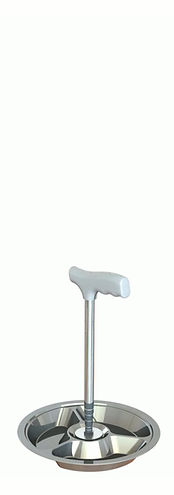
Revolutionizing Pet Feeding: Tips for a More Comfortable Experience
- superiorhomeservic4
- Jan 7
- 3 min read
Feeding pets might seem like a simple task, but it often involves bending down multiple times a day. Morning and night, for food and water, for dogs, cats, or both. These repeated movements can quietly cause discomfort over time, especially when feeding happens on the floor. This post explores practical ways to make pet feeding more comfortable, reducing strain on your body while keeping your pets happy and healthy.

Why Bending Down to Feed Pets Can Cause Discomfort
Bending repeatedly to feed pets puts pressure on your lower back, knees, and hips. For people with mobility issues, arthritis, or back pain, this daily routine can worsen symptoms. Even if you don’t have existing pain, the cumulative effect of bending down twice a day can lead to stiffness and soreness.
Pets often eat on the floor, which means you must crouch or kneel. This position is not ergonomic and can cause muscle strain. Over time, these small movements add up, making feeding time less enjoyable for you.
Benefits of Elevated Feeding Stations
One of the easiest ways to reduce bending is by using elevated feeding stations. These stands raise food and water bowls to a comfortable height, allowing you to feed your pet without stooping.
Advantages include:
Reduced strain on your back and knees
Easier access for older adults or people with limited mobility
Improved digestion for pets, especially large dogs, by allowing them to eat at a natural height
Cleaner feeding area, as elevated bowls reduce spills and messes on the floor
Elevated feeders come in various sizes and materials, from simple wooden stands to adjustable metal frames. Choose one that fits your pet’s size and your home décor.
Choosing the Right Height for Your Pet’s Feeder
The feeder height should allow your pet to eat comfortably without stretching or bending their neck too much. A general guideline is:
For small dogs and cats, the feeder should be at or slightly above their chest level.
For medium to large dogs, the feeder should be at the height of their elbows when standing.
Measure your pet’s height and select a feeder accordingly. Adjustable feeders are ideal if you have pets of different sizes or if your pet is still growing.
Tips for Making Feeding Time Easier and More Comfortable
Beyond elevated feeders, consider these practical tips:
Use lightweight bowls that are easy to lift and clean. Stainless steel or ceramic bowls are durable and hygienic.
Place feeding stations on non-slip mats to prevent movement and reduce spills.
Keep food and water bowls close together to minimize the need to move around while feeding.
Use automatic feeders for dry food to reduce the frequency of bending down, especially useful for busy schedules or pets on strict feeding times.
Maintain good posture when feeding your pet. Stand or sit on a chair instead of crouching or kneeling.
How to Train Pets to Use Elevated Feeders
Some pets may resist eating from elevated feeders at first. To help them adjust:
Introduce the feeder gradually by placing their favorite treats or food in the elevated bowls.
Stay close and encourage them with a calm voice during feeding time.
Avoid forcing your pet; give them time to get used to the new setup.
Clean the feeder regularly to keep it inviting and hygienic.
Most pets adapt quickly and enjoy the comfort of eating at a natural height.
Additional Solutions for Comfortable Pet Feeding
If elevated feeders are not an option, consider these alternatives:
Feeding stations with built-in storage to keep food and supplies organized and reduce bending to retrieve items.
Long-handled scoops or dispensers to fill bowls without bending.
Feeding mats with raised edges to keep bowls stable and reduce mess.
These small changes can make a big difference in your daily routine.
Caring for Your Body While Feeding Pets
Remember to listen to your body. If you feel discomfort, take breaks and stretch. Simple stretches for your back, hips, and knees can relieve tension caused by bending.
If you have chronic pain or mobility issues, consult a healthcare professional for personalized advice. They may recommend specific exercises or ergonomic tools to support your needs.


Comments